
Why Choosing the Right Yacht Matters for Ocean Crossing
Embarking on an ocean voyage is a thrilling yet challenging adventure. To ensure safety, comfort, and efficiency, selecting yachts that can cross the ocean is crucial. Ocean sailing exposes you to unpredictable weather, strong currents, and long periods away from shore. Only a bluewater yacht or other seaworthy yachts designed for long-distance travel can handle such conditions reliably, allowing you to focus on the experience rather than constant maintenance.
Key Features of Yachts Suitable for Long-Distance Sailing
Hull Design and Stability for Rough Seas
A yacht’s hull must provide stability and safety in rough waters. Bluewater yachts, known for their durability, often feature deep-V hulls or full keels that enhance directional stability and reduce rolling. A strong hull is essential for enduring storms and turbulent seas during a long-range cruise, making long range cruising yachts and deep sea yachts ideal choices for serious ocean crossings.
Storage and Living Space for Extended Voyages
Long voyages require significant storage for food, water, fuel, and personal gear. Seaworthy yachts prioritize living space and cleverly designed storage areas. Efficient layouts enable comfortable living during months at sea, with ample space for sleeping, cooking, and socializing—features typical of yachts that can cross the ocean.
Sail Plan and Rigging for Efficient Long-Distance Sailing
Long range cruising yachts feature rigging systems designed for ease of handling and adaptability in various wind conditions. Proper sail plans ensure optimal performance with minimal crew effort, crucial when crossing oceans solo or with a small crew. Only bluewater yachts and deep sea yachts provide the reliability needed for long passages.
Safety Equipment and Navigation Systems
Equipping a yacht with the right safety tools, including life rafts, EPIRBs, and advanced navigation systems, is non-negotiable. Seaworthy yachts suitable for long-distance sailing integrate these essentials seamlessly, allowing you to monitor weather, chart your course, and respond to emergencies effectively.
Related Reading: What to Wear in a Yacht: How to Choose a Smart-Casual Men’s Outfit for a Business Party
5 Affordable Yachts That Can Cross the Ocean
1. Westsail 32
The Westsail 32 is a heavy-displacement full-keel sailboat that has earned its reputation as a bluewater cruiser. Its hull construction is extremely robust, providing excellent directional stability and safety in heavy seas. The interior, though compact, offers a well-laid-out salon, galley, navigation station, and V-berth, making it suitable for extended passages. Its cutter rig provides flexibility for varying wind conditions. Typical used prices range from $40,000–$70,000 depending on condition and refits.
Pros: Extremely seaworthy, proven ocean-crossing capability.
Cons: Slow, older models may need refitting and maintenance updates.
2. Contessa 32
The Contessa 32 is a small, high-performance cruiser-racer designed for offshore work. Its fin keel and skeg-hung rudder provide excellent handling, while a ballast ratio close to 50% ensures stiffness and safety. Compact accommodations allow sleeping for up to five people, with a V-berth forward and settee berths in the saloon. Used Contessa 32s are priced between £15,000–£50,000 depending on condition and refits.
Pros: High ballast ratio for offshore stability, excellent windward performance.
Cons: Tight interior, limited tankage, requires careful system upgrades for modern cruising.
3. Sunseeker 70 Motor Yacht
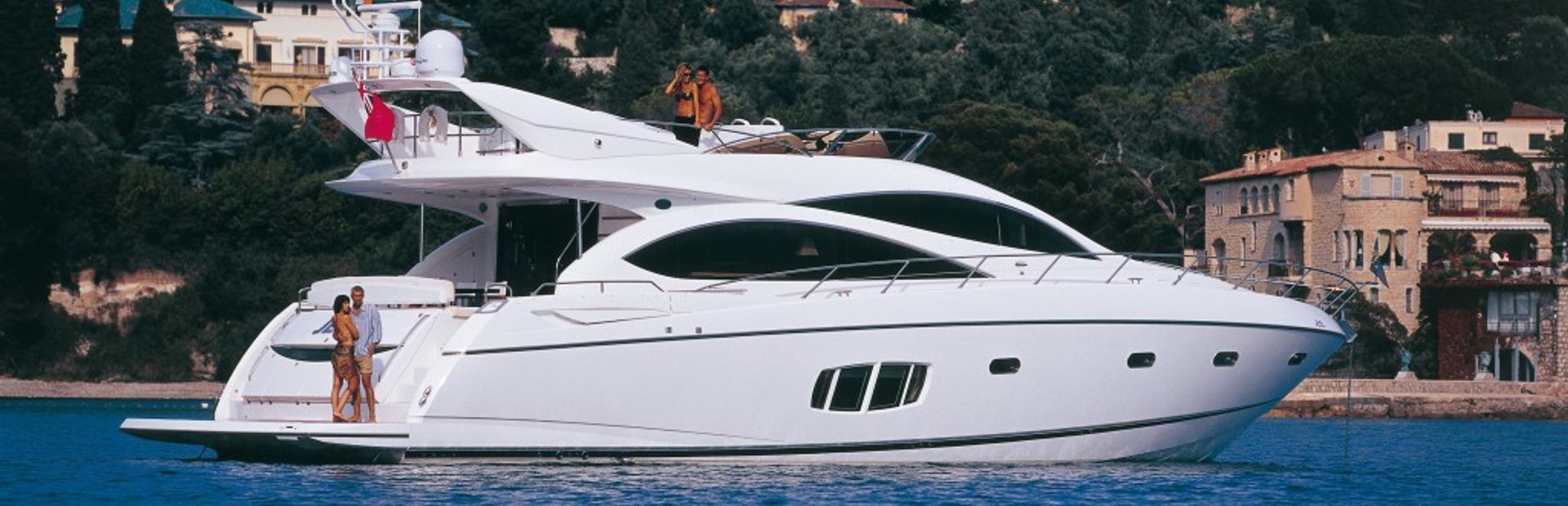
The Sunseeker 70 is a luxury motor yacht capable of long-range cruising. She provides high speed, multiple cabins, and extensive onboard systems for comfort during ocean passages. While initial purchase cost may be high and fuel consumption substantial, older pre-owned models can be more affordable compared to new superyachts. Ideal for those who prioritize motoring comfort over sailing simplicity.
Pros: Speed, luxury, onboard comfort.
Cons: High fuel consumption, expensive maintenance, complex systems.
4. Pacific Seacraft 34
The Pacific Seacraft 34 is designed by Bill Crealock for long-range cruising. Its semi-long keel, skeg-hung rudder, and cutter rig provide excellent offshore performance. With a displacement of around 13,500 lb, it offers a smooth, sea-kindly motion ideal for ocean passages. Used examples typically range from $70,000–$90,000. Owners praise its reliability and comfort for extended voyages.
Pros: Sturdy, comfortable motion, proven offshore performance.
Cons: Slower compared to modern cruisers, older systems may need updating.
5. Allied Princess 36
The Allied Princess 36 is a robust motorsailer with a ketch rig, offering stability and manageable sail handling for long voyages. Its displacement of 14,400 lb and 5,000 lb of ballast make it forgiving in rough seas. Fuel and water capacity allow for extended cruising with careful planning. Well-maintained models are priced between $30,000–$50,000. It is particularly suitable for small crews seeking a stable, seaworthy platform.
Pros: Stable, spacious interior, forgiving sail plan.
Cons: Moderate speed, older systems may require refit or upgrades.
Related Reading: How Fast Do Sailboats Go? Top Speeds for 20ft, 30ft, 40ft, 50ft and Larger Boats
Factors to Consider for Transatlantic Crossings
Weather and Route Planning
Understanding seasonal patterns, prevailing winds, and storm windows is critical. Use weather routing software to plan safe, efficient transatlantic crossings.
Fuel and Water Capacity
Long-range cruising yachts must have sufficient fuel and water reserves, supplemented by desalinators or water makers, to remain self-sufficient at sea.
Crew Requirements and Comfort
Consider crew numbers and comfort for extended voyages. Adequate berths, galley space, and ventilation are essential for morale and performance.
Emergency and Backup Systems
Redundant navigation, communication systems, and emergency power are essential. Yachts for transatlantic crossing should allow you to handle unforeseen issues with minimal risk.
Tips for Making Your Dream Voyage Possible
1. Budget Planning and Cost Considerations
You might have seen yachts online and thought, “I can totally do this!”—but owning and running a yacht is a whole different story. Budgeting isn’t just about the sticker price. Think long-term: maintenance, insurance, fuel, provisions, and even emergency repairs.
For example, you might buy a modest bluewater yacht for $50,000 and think you’re all set—but then a year of upkeep, replacing sails, and engine servicing can easily add another $10,000–$15,000. Affordable yachts can save you upfront, but skimping on maintenance is a fast track to expensive headaches.
A practical trick: create a “realistic voyage fund.” Cover your daily operating costs plus at least 20% extra for unexpected repairs or weather delays. That way, you won’t be counting pennies while your mast sways in a storm.
2. Training and Sailing Experience Needed
You are not alone if the idea of crossing an ocean feels intimidating. Long-range cruising isn’t just about pointing the bow and letting the wind do its thing—you’ll need skills in navigation, sail handling, and emergency management.
Start small. Weekend trips, coastal passages, or even a few days on a charter yacht can teach more than reading a book ever will. Learn to:
-
Navigate like a pro: GPS is handy, but knowing charts and celestial navigation keeps you out of trouble when electronics fail.
-
Handle sails efficiently: Reefing in a squall or trimming for speed is different in theory than practice. Nothing beats real hands-on experience.
-
Manage emergencies: Practice man-overboard drills, engine troubleshooting, and basic first aid. Trust me, you’ll sleep better knowing you can handle a problem at 3 a.m.
Think of training as building muscle memory—you want your actions at sea to feel almost instinctive.
3. Preparing Your Yacht for Safety and Comfort
Safety first—but comfort counts, too. A yacht fully equipped for emergencies but utterly miserable to live on will make a “dream voyage” feel like punishment.
Checklist essentials:
-
Safety gear: Life jackets, EPIRBs, flares, fire extinguishers. Check expiration dates. Replace anything older than a few years.
-
System checks: Engine, rigging, electrical systems, plumbing. Don’t just look; run everything under load.
-
Sea trials: Take a short offshore trip to see how your boat behaves in real conditions. Nothing teaches like experience.
-
Comfort tweaks: A better mattress, sunshades, organized galley—small upgrades that make life onboard far more enjoyable. You’ll thank yourself when you’re in the doldrums with a week of sailing behind you.
4. Planning the Route and Ports of Call
Planning is half the fun—and half the sanity-saving. Don’t just pick a route on a map; research ports, anchorages, and customs regulations. Knowing where you can refill fuel, grab a shower, or get a weather update is priceless.
Keep these tips in mind:
-
Weather awareness: Avoid hurricane season or local storm patterns. Sailing into a typhoon is a bad plot twist you can’t undo.
-
Alternate ports: Always have a Plan B (and maybe even a Plan C). Mechanical trouble, illness, or sudden weather changes can force you off course.
-
Local nuances: Some anchorages require local fees, some countries want advance notice, and some will simply tell you “nope”. Knowing this beforehand saves stress.
Treat your route plan like a flexible roadmap—solid enough to guide you, but adjustable when reality hits.
Conclusion
Choosing the right yacht, preparing meticulously, and understanding long-range sailing demands are the keys to a successful ocean voyage. By selecting seaworthy yachts with proven bluewater capabilities, you can transform your dream voyage into a reality, all while ensuring safety, efficiency, and comfort.
Frequently Asked Questions
1. What features make a yacht suitable for long-distance sailing?
Features include a strong hull, stability in rough seas, ample storage, comfortable living spaces, efficient sail plans, and integrated safety systems.
2. How much does a yacht for transatlantic crossing typically cost?
Prices range from $50,000 for smaller bluewater yachts to over $1 million for luxurious motor yachts capable of ocean crossings, depending on size, age, and features.
3. Can a beginner handle an ocean-crossing yacht?
Beginners can attempt it with sufficient training, mentoring, and preparation, but solo or inexperienced crews should start with shorter coastal passages.
4. What safety equipment is essential for ocean sailing?
Life rafts, EPIRBs, life jackets, flares, first aid kits, backup communication devices, and redundant navigation systems are critical for safe ocean passages.
5. Are these yachts affordable compared to other ocean-crossing options?
Yes, the listed yachts represent relatively affordable options for bluewater-capable vessels, balancing safety, comfort, and cost for long-range cruising enthusiasts.
Further Watching
References
Bolsade Navegantes. “Westsail 32 Sailboat Data: In-Depth Review & Buying Tips.” https://www.bolsadenavegantes.net/en/sailboats/westsail/westsail-32-sailboat-data-in-depth-review-buying-tips
Wikipedia. “Contessa 32.” https://en.wikipedia.org/wiki/Contessa_32
Wikipedia. “Pacific Seacraft 34.” https://en.wikipedia.org/wiki/Pacific_Seacraft_34
Practical Sailor. “Allied Princess 36 Review.” https://www.practical-sailor.com/sailboat-reviews/allied-princess-36
ExploMar. https://www.explomar.com.cn/