7 Warning Signs to Replace Spark Plugs on an Outboard Motor
If your outboard suddenly feels “off”, there’s a good chance your spark plugs are trying to tell you something. This guide walks you through the most reliable signs to replace spark plugs on an outboard motor, plus what those symptoms usually mean, how long plugs often last, and what can go wrong if you ignore them.
What are Spark Plugs and What Do They Do for Outboard Motors
Spark plugs are small but critical ignition parts. In a gasoline outboard, each cylinder needs a reliable spark at exactly the right moment to ignite the compressed air-fuel mixture. That spark has to be strong enough to fire under load, humidity, and temperature swings—while your motor is vibrating, breathing salty air, and sometimes spending hours trolling at low RPM.
When a plug is healthy, it helps your engine start quickly, idle smoothly, accelerate cleanly, and burn fuel efficiently. When it isn’t, you’ll start noticing spark plug replacement symptoms. Outboard Maintenance guidance highlights that spark plugs should be inspected and changed as needed, and it notes what a “good” plug tends to look like during inspection.
Why Signs to Replace Spark Plugs Emerge?
Most signs you need to replace spark plugs come down to one of three things: wear, contamination, or heat stress.
Normal wear (it’s not dramatic, it’s gradual)
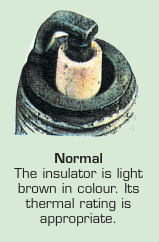
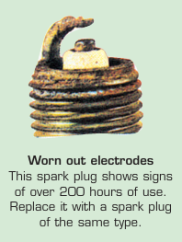
Even with modern plug materials, the sharp edges and surfaces that help create a consistent spark slowly degrade. As the firing edges round off, the ignition system needs more voltage to jump the gap. Eventually, the spark becomes weaker or inconsistent—especially during cold starts, quick throttle changes, or heavy load.
Contamination (fuel, oil, carbon, or water intrusion)
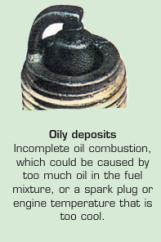
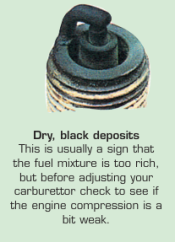
Outboards are more prone to plug fouling than many car engines because of extended trolling, rich mixtures during warm-up, and the marine environment. Carbon deposits can build up when plug tip temperatures drop and deposits accumulate.
Heat stress and corrosion (marine life is hard on metal)
When you’re wondering how to know if spark plug needs replacing, corrosion is always the most marked sign. Salt air, moisture, and repeated heat cycles can accelerate corrosion and cause boots, wires, and the plug’s metal shell to age faster. Even if the electrode is “okay,” corrosion at the sealing surface or terminal can create weak ignition, intermittent misfires, or a plug that’s difficult to remove later.
Read More: 150HP Outboard in Freshwater vs Saltwater: Corrosion Risks & Maintenance Guide
7 Warning Signs to Replace Spark Plugs
Below are the seven most common and most useful signs to change spark plugs on an outboard. These are written for real boat-owner decision-making: what you feel, what you can check quickly, and what usually comes next.
1. Hard Starting or Engine Won’t Start Due to Worn Spark Plugs
This is one of the clearest signs to replace spark plugs, especially if your motor used to start quickly and now it needs longer cranking or multiple attempts. A worn plug can still fire sometimes—just not consistently when conditions are worst: cold start, damp morning air, slightly rich mixture, or a battery that’s not at peak charge.
What you’ll notice: the engine cranks normally, but it “catches” late, stumbles, or dies and then starts on the second try. In more severe cases, it won’t fire at all. Many guides for outboard plug service list hard starting as a primary sign because it’s one of the first symptoms owners feel.
Important nuance: hard starting can also come from low battery voltage, stale fuel, or water in fuel. If you suspect those, don’t “parts-cannon” spark plugs—verify the basics first. But if your fuel is fresh, battery is strong, and the problem persists, this is a strong sign that spark plugs need to be replaced.
2. Engine Misfires or Rough Idling Caused by Faulty Spark Plugs
A misfire is when a cylinder doesn’t fire correctly (or doesn’t fire at all) for one or more cycles. On the water, it often feels like a small, rhythmic hesitation—especially at idle or just off idle. Rough idling is one of the most common spark plug replacement symptoms called out in marine maintenance content because plugs are under relatively high stress in marine use (trolling time, moisture, load changes).
How to know if spark plug needs replacing: the engine sounds uneven, shakes more than normal at idle, or has a distinctive “miss” in the exhaust note. Sometimes it smooths out when you raise RPM, which tricks owners into thinking it’s “fine.” If the misfire is repeatable at the same RPM ranges (idle, low cruise, or under load), and you also see any fouling or wear on inspection, plugs move to the top of the suspect list.
Practical check: pull and inspect the plug(s). If one looks very different than the others—wet, sooty, or unusually white—that cylinder is telling you a story. The plug may be the victim (fouled by rich running), or it may be the cause (weak spark). Either way, it’s actionable.
3. Reduced Fuel Efficiency from Failing Spark Plugs
If you do the same route every weekend and suddenly you’re using noticeably more fuel, don’t ignore it. A weak or inconsistent spark can cause incomplete combustion, which wastes fuel and can increase deposits.
What you’ll notice: you need more fuel for the same time on the water, or your “usual cruise RPM” no longer delivers the same speed. Sometimes the change is subtle—like a 10–15% increase in fuel used over a day—until you look back and realize it’s consistent.
How to tell if spark plugs need replacing: hull growth, prop damage, and carrying extra weight can also hurt efficiency. So if your bottom is dirty or you changed props, don’t blame plugs first. But if your setup is unchanged, reduced fuel economy is a meaningful signs you need to replace spark plugs indicator.
4. Loss of Power or Poor Acceleration Linked to Old Spark Plugs
This one shows up when you try to get on plane, punch through chop, or accelerate around another boat. Under load, your ignition system has less margin. If your plugs are worn, the spark may “blow out” under cylinder pressure or become inconsistent, which feels like hesitation or a soft, disappointing launch.
What you’ll notice: slower hole shot, difficulty getting on plane, or a “lazy” throttle response.
How to know if spark plug needs replacing: if the motor idles rough and also feels weaker at acceleration, that pairing strongly suggests ignition issues (often plugs). If the motor idles fine but bogs only when you hit the throttle, also consider fuel delivery—but plugs are still worth checking because they’re fast to inspect and inexpensive compared to chasing fuel components.
5. Increased Engine Vibration from Damaged Spark Plugs
Some owners describe this as “the motor feels rougher than it used to,” even when sound levels seem similar. Extra vibration often comes from uneven combustion: one cylinder isn’t contributing consistently, so the engine’s rhythm changes.
What you’ll notice: a more pronounced buzz through the tiller, helm, or deck at idle and low speed. In a twin-engine setup, you may notice one side feels harsher at the same RPM.
Don’t overreach: vibration can also be prop damage, fishing line on the shaft, or a bent prop. So if vibration is sudden right after you hit something, check the prop first. But if it’s gradual, plugs are a smart early check.
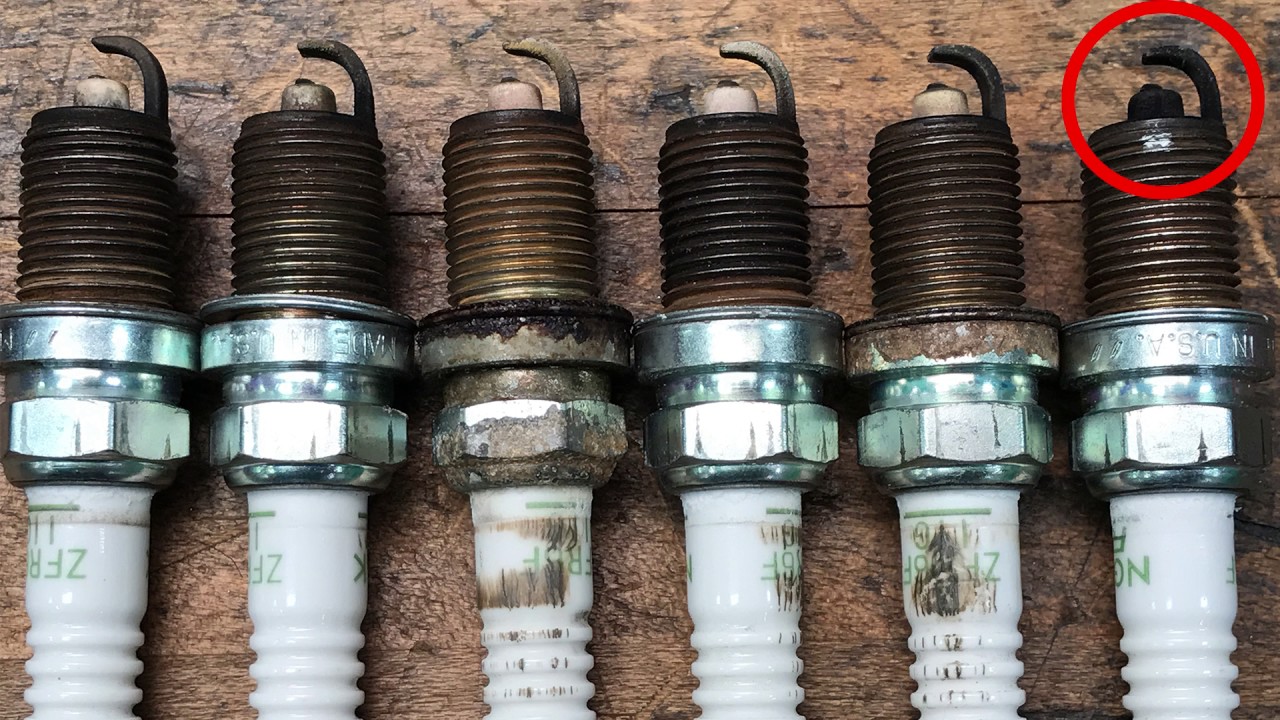
6. Fouled, Burnt, or Corroded Spark Plug
This is the most “visual” sign. If you pull your plugs and they look bad, you don’t need to guess. A fouled, burnt, or corroded plug is often a direct sign that spark plugs need to be replaced—and it can also warn you about a bigger underlying engine condition.
| What the plug looks like | What it often means | What you should do next | Risk if you ignore it |
|---|---|---|---|
| Dry black soot (carbon fouling) | Rich running, excessive idling/trolling, low plug temp | Replace plugs; review idle/trolling habits; verify correct plug heat range | Recurring misfires, poor fuel burn |
| Wet oily deposits | Oil control issue, 2-stroke oiling factors, or long low-RPM operation | Replace plugs; monitor recurrence; consider compression/leak-down check if persistent | Frequent stalling, plug shorting |
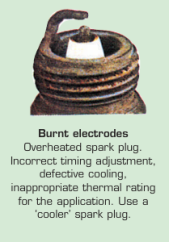
| White blistered tip / melted electrode | Overheating, lean condition, pre-ignition risk | Do not just replace—inspect cooling/fuel; replace after root cause check | Engine damage risk |
| Green/white corrosion on shell/terminal | Moisture intrusion, salt exposure, aging boots/connectors | Replace plugs; inspect boots/wires; use proper dielectric grease where specified | Intermittent ignition, hard starting |
Source (combustion/mixture effects and fouling basics): NGK Spark Plug Basics.
Why this matters: carbon fouling can happen when plug tip temperatures stay low and deposits build up, which can lead to fouling and misfires.
Practical decision: if the plug is visibly fouled or corroded, replace it. Then ask the follow-up question: why did it happen? If you troll for hours, a plug that resists fouling (within your manufacturer’s approved spec) may be worth it. If you run in heavy salt air, corrosion prevention and good boot sealing become more important.
7. Engine Stalling at Low or High RPM Because of Bad Spark Plugs
Stalling is the symptom people hate most, because it feels unreliable and it can become a safety issue in tight channels or rough weather. Bad plugs can contribute to stalling when misfires become frequent enough that the engine can’t sustain stable combustion—especially at idle (low RPM) or during quick throttle transitions.
What you’ll notice: the motor may idle for a bit, then die. Or it may run fine cruising and then stall when you pull back to idle.
How to tell if spark plugs need replacing: if stalling happens alongside rough idle or misfires, and inspection shows fouling/wear, plugs are a high-probability fix. If stalling happens with a perfectly smooth idle, look harder at fuel supply (filters, venting) and sensors—but plugs still deserve inspection because they’re quick and inexpensive to rule out.
How Long Do Spark Plugs Last?
The honest answer is: it depends on your outboard model, how you use it, and what fuel/conditions you run in. On average, the life of classic spark plugs is not more than 30,000 miles, and that of platinum and iridium is not more than 55,000 miles. Many owner-facing guidance materials and dealer schedules commonly revolve around service intervals like “every 100 hours or annually” for routine maintenance checks, with spark plugs inspected and replaced as needed.
| Usage pattern | What happens to plugs | Smart inspection timing | Replacement approach |
|---|---|---|---|
| Frequent trolling / low RPM | Higher fouling risk (carbon deposits) | Inspect mid-season if symptoms appear | Replace sooner if fouling repeats |
| Short trips, lots of cold starts | More wear during enrichment/warm-up | Inspect at routine service intervals | Replace when starting worsens |
| High load, long runs | Heat stress and electrode wear | Inspect if power drops or misfires start | Replace if wear or heat damage appears |
| Saltwater storage and use | Corrosion risk at terminal/shell | Inspect during every seasonal service | Replace if corrosion is visible |
Source (service interval framing and plug inspection guidance): Mercury Marine FourStroke Maintenance and Yamaha Outboards maintenance guidance.
Rule of thumb you can actually use: if you’re asking “how to know if spark plug needs replacing,” don’t wait for the engine to become unreliable. Inspect plugs as soon as you notice any of the seven warning signs—especially hard starting, misfires, or stalling. Replacing plugs earlier is usually cheaper than diagnosing secondary problems caused by misfires and deposits.
What Happens If You Ignore Bad Spark Plugs
Ignoring bad spark plugs isn’t just “annoying.” Over time, it can create a messy chain reaction:
Misfires can snowball into deposits and rougher running
When combustion is incomplete, deposits can increase. That can make misfires more frequent, which can make the motor feel even rougher. It’s one reason spark plug replacement symptoms often show up as a cluster: rough idle + fuel economy drop + weak acceleration.
You may waste fuel (and time) without realizing it
Even a small efficiency hit becomes meaningful over a season. If you fish frequently or run longer distances, a consistent decline in performance is worth addressing early—especially because spark plugs are one of the easiest, fastest inspections you can do.
Reliability drops at the worst possible moment
Hard starts turn into no-starts. Occasional misfires turn into stalling. The cost isn’t only the part—it’s the risk of losing control in a tight marina, a busy channel, or while trying to get home as weather changes.
You can misdiagnose the real issue and spend more money
When plugs are bad, the engine can mimic fuel problems, sensor problems, and even prop issues. If you skip plug inspection, you can waste time and money chasing filters, injectors, and electronics before discovering the simplest fix.
Bottom line: if you’re seeing multiple signs to replace spark plugs, you’re past the “wait and see” stage. Pull the plugs, inspect them, and treat the result as a diagnostic clue.
Read More: How to Clean Dirty Fuel Injectors: DIY Method for Better Engine Performance
Conclusion
If your outboard is hard to start, idles rough, misfires, burns more fuel, feels weaker, vibrates more, stalls, or shows visible plug fouling/corrosion, you’ve got strong signs to replace spark plugs—and you can confirm it quickly with a simple inspection. The earlier you act on these signs you need to replace spark plugs, the more likely you are to avoid bigger reliability headaches later.
FAQ
How do I know if the problem is spark plugs or bad fuel?
If your symptoms are consistent across multiple outings (hard starting, rough idle, misfire), and you can visually confirm fouling/wear, plugs are a strong suspect. Bad fuel often shows up after a refuel or long storage and may affect the engine more broadly. A practical approach: verify fresh fuel and water-separating filter condition, then inspect plugs. If you see clear fouling or worn electrodes, that’s a direct answer to how to know if spark plug needs replacing.
What are the fastest “dock checks” before I replace spark plugs?
Start with a simple pattern check: does the engine stumble most at cold start, idle, or quick throttle changes? Those are common spark plug replacement symptoms. Then inspect plug color/condition and compare cylinders. If one plug looks very different, it can reveal a cylinder-specific issue. If all plugs show similar wear or deposits and you’re also seeing multiple signs to change spark plugs, replacement is usually justified.
Can I clean fouled spark plugs instead of replacing them?
You can sometimes clean light carbon deposits, but it’s usually a short-term fix if the underlying cause (extended trolling, rich running, incorrect plug spec) remains. If the plug is heavily fouled, corroded, or heat-damaged, replacement is the safer move—especially if you’re already seeing signs you need to replace spark plugs like misfires or stalling.
Why do spark plugs foul more when I troll a lot?
Long periods at low RPM can keep plug tip temperatures lower, which makes deposit build-up more likely. NGK explains that rich conditions and lower tip temperatures can promote carbon deposits and fouling, which can lead to misfires. If trolling is a big part of your routine, it’s smart to watch for early signs to replace spark plugs and inspect them sooner.
How can I tell if spark plugs need replacing even if the engine still runs “okay”?
Look for trends: slightly longer cranking, a faint miss at idle, a small but consistent fuel economy drop, or weaker acceleration. These are classic signs to replace spark plugs before you reach a no-start or stall.
References
[1]Mercury Marine. FourStroke maintenance. https://www.mercurymarine.com/us/en/lifestyle/dockline/four-stroke-maintenance
[2]Yamaha Outboards. Midseason maintenance tips. https://yamahaoutboards.com/blog/maintenance/midseason-maintenance-tips
[3]NGK Spark Plugs. Spark plug basics. https://ngksparkplugs.com/en/resources/spark-plug-basics
[4]Wired2Fish. Basic motor maintenance: Spark plugs. https://www.wired2fish.com/boats-maintenance/basic-motor-maintenance-spark-plugs
[5]JLM Marine. (2026). When and how to change outboard spark plugs. https://jlmmarine.com/blogs/outboard-101/when-and-how-to-change-outboard-spark-plugs
[6]ExploMar. (2024, December 27). Electric vs gas boat motor: The ultimate performance comparison.