
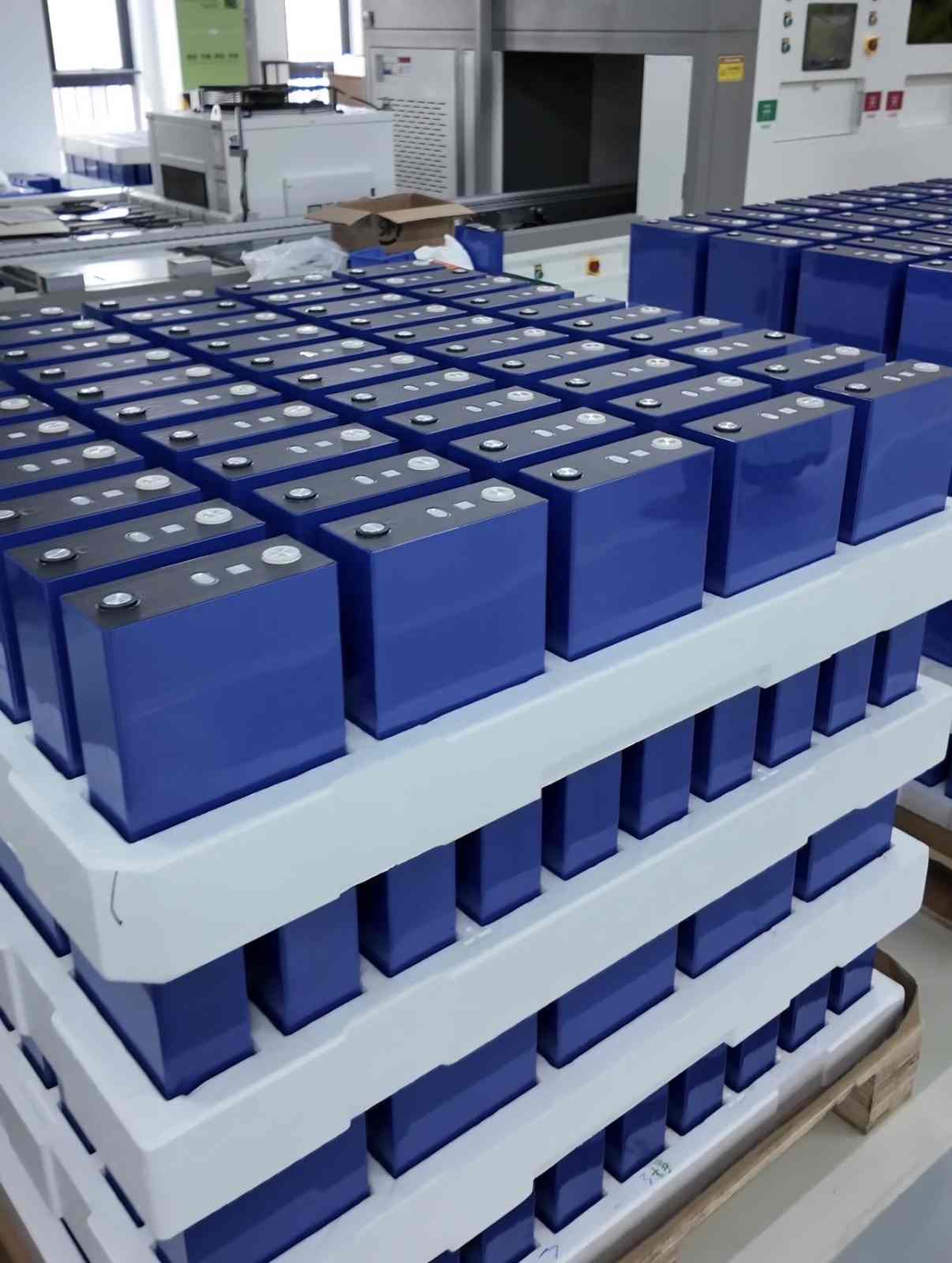
Battery material processing is a critical part of lithium iron phosphate (LFP) cathode production. Before a battery can store and release energy, manufacturers must convert lithium, iron, phosphate, and carbon-based raw materials into a consistent cathode powder. The purity, particle structure, and chemical composition of this powder directly influence battery performance.
LFP batteries are widely used in electric vehicles and energy storage systems because of their thermal stability, long cycle life, and relatively low reliance on expensive metals. However, producing high-quality LFP cathodes requires careful control over raw material preparation, mixing, heat treatment, and final powder testing.
This guide explains the essential raw materials used in battery material processing, five major LFP production steps, and the quality checks needed to maintain consistent cathode performance. It also examines supply chain pressures, energy consumption, waste management, and manufacturing costs.
LFP Battery Raw Materials and Their Roles
Lithium iron phosphate has an olivine crystal structure composed primarily of lithium, iron, phosphorus, and oxygen. Unlike some other lithium-ion cathodes, LFP does not require nickel or cobalt. However, consistent raw material quality remains essential for reliable manufacturing.
Effective battery material processing begins with selecting suitable lithium, iron, phosphate, and carbon sources. Each component affects the final powder’s crystal structure, electrical conductivity, and electrochemical properties.
Lithium Sources
Battery-grade lithium carbonate and lithium hydroxide are common lithium sources used in LFP production. These materials provide the lithium needed to form the cathode’s crystal structure. Lithium carbonate is frequently selected for conventional solid-state synthesis because of its compatibility with established production processes.
Lithium hydroxide may be useful in certain precursor routes, depending on the desired reaction conditions. During battery material processing, manufacturers must control moisture, sodium, and trace metallic contamination in lithium feedstocks. Poor-quality inputs can introduce unwanted phases during calcination and affect the consistency of the finished cathode powder.
Iron Sources
Iron provides the transition metal framework of the LFP structure. Common feedstocks include ferrous sulfate, iron oxalate, ferric oxide, and iron phosphate precursors. The appropriate source depends on the production method, available equipment, and chemical purity requirements.
The oxidation state of iron is particularly important. LFP contains iron primarily in the Fe²⁺ state, while some starting materials contain Fe³⁺. Battery material processing must therefore provide suitable reaction conditions to achieve the desired chemistry. Careful control helps reduce unwanted iron-containing phases that may lower electrochemical performance.
Phosphate Sources
Phosphate sources provide the phosphorus and oxygen needed to form the stable phosphate framework in lithium iron phosphate. Common materials include purified iron phosphate, ammonium dihydrogen phosphate, and phosphoric acid. Their suitability depends on the selected synthesis route.
The strong bonds within phosphate groups contribute to LFP’s thermal stability. However, impurities and inconsistent precursor composition can interfere with phase formation during battery material processing. Manufacturers therefore monitor phosphate purity, elemental ratios, and moisture levels before combining these inputs with lithium and carbon sources.
Carbon Sources
Pure lithium iron phosphate has relatively low electronic conductivity, which can limit battery performance at high charge and discharge rates. Manufacturers commonly introduce carbon precursors such as sucrose, glucose, citric acid, or other suitable carbon-containing compounds during cathode preparation.
During heat treatment, selected organic materials decompose and form a conductive carbon coating around LFP particles. In battery material processing, controlling carbon distribution and coating thickness is essential. Insufficient carbon may increase electrical resistance, while excessive carbon can reduce the amount of active material packed into the electrode.
5 Steps in Battery Material Processing for LFP
Producing LFP cathode material involves several connected manufacturing stages. Each step affects powder purity, particle size, crystal formation, and conductivity. Although production routes differ, many facilities follow a similar sequence from feedstock refining to final testing.
The following five stages explain how battery material processing transforms raw chemicals into usable LFP cathode powder.
1. Raw Material Refining
Raw material refining prepares lithium compounds, iron sources, and phosphate materials for cathode production. Depending on the feedstock, refining may involve crystallization, washing, filtration, ion exchange, or drying. These operations help remove unwanted chemicals and improve material consistency.
Magnetic separation can also reduce contamination from metallic particles introduced during handling or equipment contact. In battery material processing, contamination control is particularly important because conductive metal debris may create problems during later electrode manufacturing. Incoming material specifications should therefore include chemical purity, moisture, and relevant impurity limits.
2. Precursor Preparation
Precursor preparation combines selected raw materials into a form suitable for LFP synthesis. In iron phosphate precursor routes, dissolved iron and phosphate compounds react under controlled chemical conditions to produce precursor particles. Temperature, pH, mixing intensity, and reaction time influence the resulting material.
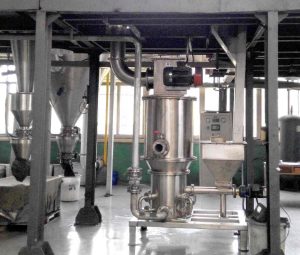
After precipitation, the material is filtered, washed, and dried to achieve the required composition and physical characteristics. Consistent precursor preparation supports repeatable battery material processing by reducing variation in particle size and density. This helps subsequent mixing, milling, and thermal treatment operate more predictably across production batches.
3. Mixing and Milling
During mixing, manufacturers combine lithium, iron, phosphate, and carbon sources according to the selected chemical formula. Accurate weighing is necessary because incorrect elemental ratios can produce unwanted compounds or leave excess starting materials in the finished powder.
Wet milling, dry ball milling, and other particle-processing methods can improve material dispersion and reduce particle size. Some production lines also use spray drying to create granules suitable for furnace feeding. Battery material processing at this stage aims to improve uniformity, support controlled reactions, and develop particle characteristics needed for subsequent electrode production.
4. Calcination and Carbon Coating
Calcination converts the prepared mixture into crystalline LFP through controlled heating. Depending on the synthesis route, temperatures may range from approximately 500°C to 800°C (932°F–1,472°F). Producers commonly use nitrogen or other controlled atmospheres to protect the desired iron chemistry and carbon coating.
During heat treatment, the starting materials react to form the olivine structure, while suitable carbon precursors decompose into conductive coatings. Temperature profiles, residence time, and atmosphere control are central to battery material processing. Excessive heating can cause undesirable particle growth, while insufficient treatment may leave incomplete reactions or poorly developed crystal structures.
5. Powder Finishing and Testing
After calcination, the material is cooled and processed to meet powder specifications. Finishing operations may include de-agglomeration, milling, air classification, sieving, and magnetic separation. These steps help control particle size distribution and remove unwanted contaminants.
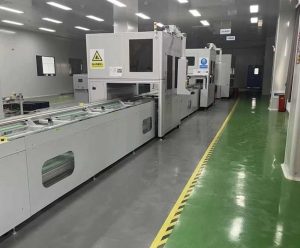
The finished powder then undergoes chemical, physical, and electrochemical testing before packaging. During battery material processing, manufacturers may assess moisture, tap density, carbon content, specific surface area, and discharge capacity. Approved material is typically packaged under conditions designed to limit moisture exposure and contamination during storage and transportation.
Table 1: Core LFP Cathode Processing Stages & Controls
| Processing Stage | Key Equipment / Method | Primary Technical Goal |
| Raw Material Refining | Purification, washing, magnetic separation | Reduce chemical and metallic impurities |
| Precursor Preparation | Precipitation, filtration, drying | Control precursor chemistry and morphology |
| Mixing & Granulation | Wet/dry milling, spray drying | Improve dispersion and powder flow |
| Calcination & Coating | Controlled-atmosphere kilns or furnaces | Form crystalline LFP and carbon coating |
| Powder Finishing | Milling, classification, sieving | Achieve specified particle characteristics |
Quality Checks for LFP Battery Materials
Quality control helps ensure that cathode powders meet the requirements of downstream electrode and cell manufacturers. Even small variations in chemical composition or particle structure can affect slurry preparation, electrode coating, and battery performance.
A reliable battery material processing system combines incoming inspection, production monitoring, and final laboratory testing. The following four checks are particularly important.
Chemical Purity
Chemical purity testing verifies the elemental composition and impurity levels of cathode materials. Inductively coupled plasma techniques, titration, and Karl Fischer moisture analysis are among the methods used to assess material quality.
Excess moisture, residual lithium compounds, and unwanted metallic particles can contribute to side reactions or processing problems. During battery material processing, quality teams compare test results against approved specifications and investigate unusual changes between batches. Maintaining consistent chemical purity supports predictable electrode manufacturing and battery performance.
Particle Size and Shape
Particle size distribution affects how cathode powder disperses in electrode slurry and packs into the finished electrode. Laser diffraction instruments can measure particle size, while scanning electron microscopy provides information about morphology and particle structure.
Powders with inconsistent size distributions may create challenges during mixing, coating, and compaction. Battery material processing therefore aims to control both primary particle characteristics and larger secondary agglomerates. Manufacturers also consider tap density and specific surface area when evaluating whether the powder is suitable for downstream production.
Carbon Coating Quality
Carbon coating improves electronic conductivity by creating conductive pathways around LFP particles. However, the coating must be carefully controlled to balance conductivity, material loading, and powder characteristics.
Manufacturers may use thermogravimetric analysis, Raman spectroscopy, and surface area measurements to evaluate carbon content and structure. During battery material processing, uneven coating can contribute to inconsistent electrical performance. Excessive carbon may also increase surface area or reduce effective electrode density, making coating optimization an important manufacturing objective.
Electrochemical Performance
Electrochemical testing determines whether the produced LFP material can deliver the expected battery performance. Laboratory half-cell or full-cell tests measure properties such as reversible capacity, first-cycle Coulombic efficiency, rate capability, and capacity retention.
Results help manufacturers identify issues that may not be visible through physical inspection alone. Battery material processing teams can compare electrical test data with chemical purity and particle measurements to understand performance variation. Consistent testing supports product qualification and helps maintain reliable performance between manufacturing batches.
Table 2: Key Quality Control Metrics for LFP Cathode Powder
| Quality Parameter | Typical Analytical Method | What It Helps Prevent |
| Chemical & Magnetic Purity | ICP analysis, moisture testing, magnetic extraction | Contamination and unwanted side reactions |
| Particle Size & Tap Density | Laser diffraction, microscopy, tap density testing | Poor dispersion and low electrode density |
| Carbon Layer Quality | TGA, Raman spectroscopy, surface area analysis | Inconsistent conductivity |
| Electrochemical Performance | Cell cycling and impedance testing | Unexpected capacity and performance variation |
Challenges in Battery Material Processing for LFP
LFP manufacturing offers cost and material availability advantages, but large-scale production still presents significant operational challenges. Raw material supply, energy requirements, environmental controls, and production economics all affect the competitiveness of cathode manufacturers.
Understanding these challenges helps businesses improve battery material processing efficiency while maintaining consistent product quality.
Raw Material Supply
Reliable access to battery-grade lithium compounds and iron phosphate precursors is essential for continuous manufacturing. Changes in supply availability, raw material quality, or transportation conditions can interrupt production schedules and increase operating costs.
Lithium prices are particularly sensitive to market conditions and changes in demand. Manufacturers can reduce procurement risks through diversified suppliers, suitable inventory planning, and long-term purchasing arrangements. In battery material processing, supplier qualification should consider both commercial reliability and the consistency of incoming material specifications.
Energy Consumption
LFP production requires electricity and thermal energy for refining, milling, drying, and calcination. High-temperature furnaces and controlled-atmosphere equipment can represent substantial operating expenses, particularly when plants run continuously.
Improving energy efficiency may involve better furnace insulation, heat recovery systems, optimized production schedules, and more efficient drying equipment. Battery material processing facilities can monitor energy consumption per ton of finished cathode powder to identify opportunities for improvement. These measures may reduce operating costs without compromising material quality.
Waste and Emissions
Chemical refining, precursor synthesis, and thermal treatment can generate wastewater, solid residues, and process-related emissions. The waste streams depend on the selected raw materials, production methods, and equipment configuration.
Manufacturers may use wastewater treatment, filtration, chemical recovery, and suitable exhaust-gas controls to manage environmental impacts. Effective waste management is an essential part of responsible battery material processing. Facilities should monitor emissions and material losses according to applicable environmental requirements while exploring opportunities to recover reusable chemicals and water.
Production Costs
LFP cathode manufacturing costs depend on feedstock prices, energy use, labor, equipment, production yield, and operating scale. Poor process consistency can increase costs by producing material that requires reworking or fails customer specifications.
The original article cites 2025 battery pack price benchmarks of US$108/kWh for global volume-weighted packs and US$81/kWh for LFP packs. These figures describe finished battery pack markets rather than cathode powder manufacturing costs. When evaluating battery material processing economics, manufacturers should distinguish between material production expenses and downstream battery prices.
Reducing rejected batches, improving equipment utilization, and controlling energy consumption can strengthen manufacturing competitiveness. However, cost improvements must be balanced against strict material quality requirements.
Table 3: Market & Cost Benchmarks in Battery Supply Chains
| Benchmark Metric | Reported Value (USD) | Scope / Context |
| Global Weighted Pack Price (2025) | $108/kWh | Volume-weighted battery pack benchmark |
| LFP Pack Price (2025) | $81/kWh | LFP battery packs across reported segments |
| Stationary Storage Pack Price (2025) | $70/kWh | Stationary energy storage pack benchmark |
Figures are historical benchmarks cited in the original article. Battery pack prices are not equivalent to LFP cathode material production costs.
Conclusion
Battery material processing plays a central role in transforming lithium, iron, phosphate, and carbon inputs into high-quality LFP cathode powder. Raw material refining, precursor preparation, mixing, calcination, and powder finishing must work together to achieve consistent chemical composition and particle characteristics.
Manufacturers can improve production reliability by maintaining strict quality checks, controlling thermal processing conditions, and monitoring operational costs. A well-managed battery material processing workflow supports the production of LFP cathodes with dependable electrochemical performance and consistent characteristics for downstream battery manufacturing.
Battery Material Processing FAQ
Why do LFP cathodes need a carbon coating?
LFP has relatively low intrinsic electronic conductivity. A carefully controlled carbon coating helps electrons move between particles, improving conductivity and supporting battery performance during higher charge and discharge rates.
Why is an inert atmosphere used during LFP calcination?
Controlled atmospheres help maintain the desired iron oxidation state and protect carbon-containing materials during high-temperature treatment. The appropriate atmosphere depends on the production recipe and equipment.
What is the difference between LFP and LMFP cathode materials?
LFP contains lithium, iron, and phosphate, while LMFP incorporates manganese into the phosphate structure. Manganese substitution can increase operating voltage, although electrochemical performance depends on material composition and processing quality.
How do particle size and tap density affect electrode manufacturing?
Particle size affects slurry dispersion, surface area, and electrode processing. Tap density provides information about powder packing behavior, which can influence electrode density and manufacturing efficiency.