When Should Spark Plugs Be Replaced on an Outboard Motor? Best Maintenance Guide
If your outboard starts on the second turn of the key one day and then suddenly needs five long cranks the next, spark plugs are one of the first “small parts” worth taking seriously. The tricky bit is that spark plugs can look fine at a glance, yet still cause hard starting, rough idle, and a sneaky loss of punch under load.
This guide answers the big question—when should spark plugs be replaced—with practical intervals, easy checks you can do on the driveway, and the specific habits (short trips, saltwater use, dodgy fuel) that make plugs wear faster than you expect.
How Long do New Spark Plugs Last? :
In real boating life, “how long do new spark plugs last?” depends less on the calendar and more on hours, engine temperature, and how cleanly the motor runs. Many outboards are inspected on a 100-hour rhythm, and plugs often get checked at those intervals even if they are not replaced every time. Yamaha’s own maintenance guidance, for example, frames plug attention around the 100-hour cadence and seasonal checks, focusing on colour and edge sharpness as your quick condition read.
Here’s the most useful way to think about it:
- Hours matter more than “months” if you run a lot (guides, instructors, fishing charters, heavy trolling, high-load work).
- Seasons matter more than hours if you run very little (short trips, occasional weekends), because plugs can foul from low-temperature running and long idle time.
- Condition beats both: if a plug is cracked, worn, oil-wet, or carbon-fouled, it does not deserve another season “just because it’s only done a few hours”. When you ask when should spark plugs be replaced, what you really want is a sensible decision rule. Use the table below as a practical baseline, then let condition (colour, deposits, wear) overrule the calendar when it needs to.
| Use pattern | Typical plug check rhythm | Replace sooner if you notice… | What “good” often looks like |
|---|---|---|---|
| Regular use (mixed speeds) | Inspect around every 100 hours | Hard starts, misfire, rough idle | Light brownish colour, sharp-ish edges |
| Lots of trolling/short hops | Inspect more frequently | Carbon build-up, “wet” deposits | Dry tip, no heavy soot |
| Saltwater exposure | Inspect each season (at minimum) | Corrosion on shell/terminal, seized threads risk | Clean threads, boots seated properly |
| Long storage / winter lay-up | Inspect before and after storage | Fouling after repeated cold starts | Even colour across cylinders |
Source: Yamaha guidance on plug inspection intervals/seasonal checks and “light brownish” appearance.
A quick, honest takeaway: if your outboard is your “get home” engine, plugs are cheap insurance. You do not want to be 3 miles offshore wondering if you should have swapped a £5–£15 part before the trip.
How to Know When to Change Spark Plugs
If you are Googling how to know when to change spark plugs, it usually means something has changed: starting, idle, acceleration, fuel use, or the way the engine sounds under load. The best approach is a mix of symptoms and a fast visual read.
Use this as your practical sequence (it’s how real owners avoid overthinking it):
- Notice the symptom (starting, idle, misfire, sluggishness).
- Rule out the obvious (old fuel, water in fuel, loose battery terminals, emergency stop lanyard, clogged filter).
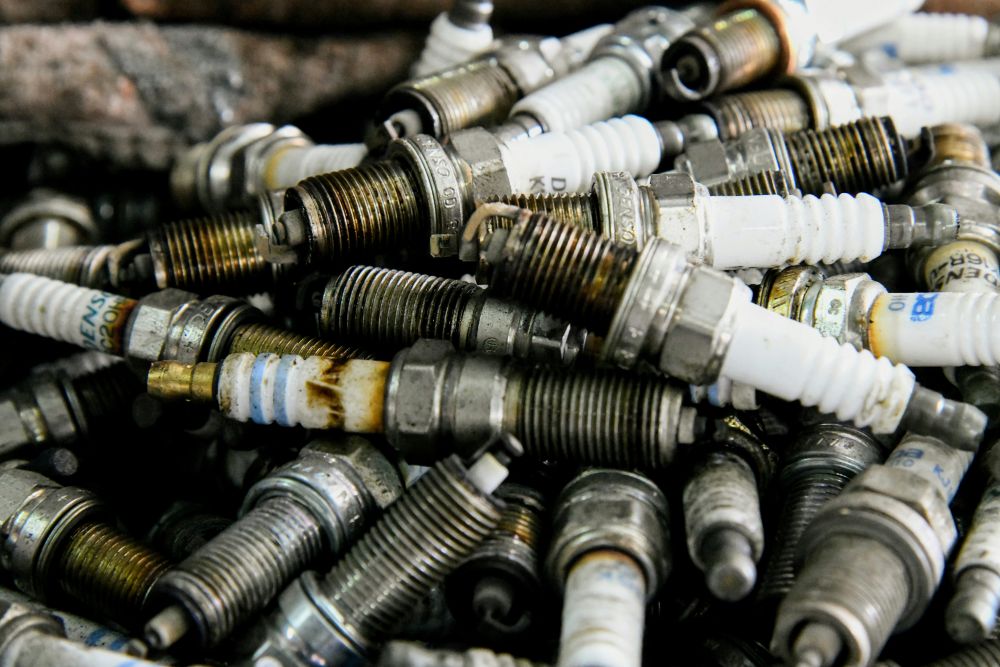
- Pull and read the plugs (colour, deposits, wear, cracks).
- Decide replace vs clean/regap based on what you see and what your manual allows.
| Symptom you notice | What it often feels like | Why it points to plugs | Quick check you can do |
|---|---|---|---|
| Hard starting | Needs longer cranking, especially cold | Weak/unstable spark struggles in rich start-up conditions | Pull plug, check tip condition and gap |
| Rough idle / intermittent misfire | Uneven “chug”, random stumble | Deposits or wear can cause inconsistent firing at low RPM | Look for carbon/oil fouling on insulator nose |
| Power loss under load | Struggles to plane, feels flat at mid-range | Misfire shows up more when cylinder pressure is higher | Compare plug colour across cylinders for “odd one out” |
| Fuel use creeps up | Same trip, more fuel | Incomplete burn wastes fuel and can leave more deposits | Inspect plug tips and check for persistent soot/wetness |
Source: NGK plug reading and fouling/deposit guidance.
Now the bit people skip: compare cylinders. If one plug looks wildly different, that’s valuable information. It can hint at a single cylinder running rich, oiling, or not firing consistently—things you want to catch before they become a bigger bill.
Also, do not force your way past uncertainty. If the plug’s insulator is cracked, the electrode is badly worn, or the deposits are heavy and wet, that is usually your answer: when spark plug needs to be replaced, it is “now”, not “after the next trip”.
Read More: 7 Warning Signs to Replace Spark Plugs on an Outboard Motor
Factors That Shorten Spark Plug Life
You can fit new plugs and still end up asking when should spark plugs be replaced again sooner than expected. That usually means one of the plug-life “shorteners” is in play. These are the patterns that foul plugs, wear electrodes faster, and make you chase ghost problems that feel like fuel or electrics.
Frequent Short Trips
Short hops are a classic plug killer because the engine can spend a lot of time below ideal temperature. Imagine leaving the marina, idling through the no-wake zone, then shutting down ten minutes later. That is a perfect recipe for deposits: fuel-rich starts, cool running, and not enough heat to burn off what collects.
If your boating looks like that, you will usually get better results with:
- Planned “hot runs”: once the engine is warmed up, give it a proper cruise so it reaches stable operating temperature.
- Fewer cold starts: combine errands on the water rather than doing three short trips.
- More frequent inspections: this is exactly the kind of usage pattern where how to know when to change spark plugs is about checking condition rather than waiting for a strict hour count.
In practical terms, short trips can turn a “might last ages” plug into a “why is it coughing at idle?” plug. The good news is that your plug tips usually tell the story clearly once you pull them.
Saltwater vs Freshwater Use
Saltwater does not just corrode shiny things on your boat; it also makes maintenance feel more urgent because corrosion can turn routine plug removal into a thread-damaging nightmare. Even when the firing tip looks fine, the outer shell, terminal, and the area around the plug can show corrosion that increases the risk of boots not sealing properly or threads binding when you remove the plug.
If you run in saltwater, treat plugs as part of your broader corrosion routine:
- Rinse and flush consistently after use.
- Inspect plug boots for cracks, salt residue, and poor seating.
- Remove plugs on schedule (even if you refit them) so they do not seize quietly over time.
Saltwater does not automatically mean you must replace plugs constantly, but it does mean you should be stricter about inspection timing—especially if you are the sort of boater who only discovers problems when the engine refuses to start at the slipway.
Poor Fuel Quality
Poor fuel is the silent contributor to plug fouling. Old fuel can burn less cleanly, and contamination can push the engine to run richer or misfire, which leaves deposits behind.
To protect plug life, focus on the boring basics:
- Keep fuel fresh and do not store it longer than you need to.
- Use a proper water-separating filter and change it on a sensible schedule.
- Drain water and inspect if you suspect contamination (especially after heavy rain or rough storage conditions).
If you keep “fixing” plugs but the new plugs foul quickly, the engine is usually telling you something else: rich running, incomplete combustion, or fuel contamination. That is when the question shifts from when should spark plugs be replaced to “what is causing them to die early?”
Manufacturer Recommendations When Spark Plug Needs to Be Replaced
There is no single universal interval that fits every outboard, because plug type, ignition system, ECU mapping, and engine design all matter. That said, manufacturer guidance gives you a reliable framework: inspect at known service intervals, and replace when wear or deposits demand it.
Yamaha’s guidance is a clear example: pull and inspect four-stroke plugs on a regular hour/season rhythm, check for the expected light-brownish colour and sharp edges, and replace with the exact specified plug when needed.
Mercury’s published service interval guidance (as summarised by a marine dealer resource) also frames plug replacement around early service timing and then recurring inspection, noting replacement at the first 100 hours/first year, then inspection every 100 hours or once yearly, replacing as needed.
Two-Stroke Outboard Engines
Two-strokes (including some direct-injection designs) can be harder on plugs because oiling strategy and combustion characteristics can increase deposit risk in certain running patterns. This is why two-stroke owners often benefit from a more condition-led approach: you inspect more often, and you replace faster when you see a plug “going off-colour” or collecting heavy deposits.
If you want a simple owner rule that works in the real world:
- Inspect at regular service intervals (commonly aligned with the 100-hour rhythm many owners already track).
- Replace immediately if you see cracked insulators, badly worn electrodes, persistent wet fouling, or repeated misfire symptoms.
- Do not improvise plug types: manuals commonly warn that incorrect spark plugs can damage the engine.
Even small-engine outboard manuals include practical limits: if the plug is fouled, has carbon build-up, or is worn, it should be replaced; and gap must be checked to specification.
So if you are asking when spark plug needs to be replaced on a two-stroke, your best answer is: whenever condition says so, and sooner rather than later if your usage is heavy on low-speed running and stop-start trips.
Four-Stroke Outboard Engines
Four-strokes are often more stable day-to-day, but they still foul plugs when they run cold, troll for long periods, or see repeated short trips. Yamaha explicitly encourages pulling four-stroke plugs at regular hours or seasonal intervals and checking colour and wear.
Also, do not skip the “boring” installation details. For example, a Tohatsu outboard manual provides clear spark plug service steps and warns that incorrect spark plugs can cause engine damage, and it provides an explicit torque value for correct installation.
That matters because the question when should spark plugs be replaced is only half the story. The other half is: are they installed properly, gapped correctly (if applicable), and seated without thread damage? A perfectly good new plug installed badly can still leave you with hard starts and misfire.
Read More: How to Replace Spark Plugs on an Outboard Motor: 8-Step Guide (2026)
Seasonal Maintenance for Spark Plug: Replace or Inspect?
Seasonal maintenance is where most owners either save money (by catching problems early) or waste a weekend (by discovering issues at the ramp). If your outboard has been sitting, the first few starts of the season are exactly when plug fouling can show up—especially if you do repeated cold starts while “testing” the engine on the hose.
So, should you replace or inspect? In most cases: inspect first, replace when condition or your schedule says it’s time. But if you have a big trip planned, or you have a history of plug issues, proactive replacement is often worth it simply for confidence.
Before Boating Season
Pre-season is the moment to check whether the spark plugs should be replaced.
Use this pre-season approach:
- Pull the plugs and compare them side by side. One odd plug tells you more than four “sort of okay” ones.
- Check colour and wear. A healthy-looking plug is often light brownish with relatively sharp edges.
- Check gaps and torque only as your manual specifies. Manuals commonly provide the correct gap range and tightening method/torque; follow that rather than copying car habits.
- Replace if you are unsure and the trip is important. It is not a performance upgrade; it is reliability maintenance.
Pre-season is also a great time to fix the “why” behind early plug wear: clean fuel, good filters, and letting the engine reach temperature rather than living at idle for half its life.
Winterization Checklist
During winterisation (or any long-term lay-up), plugs matter for two reasons: you want the engine to be easy to start after storage, and you want to avoid corrosion and seized threads when you eventually remove them again.
| Winterisation step | What you do with the plugs | Why it helps | Replace now if… |
|---|---|---|---|
| End-of-season inspection | Pull and read each plug | Captures issues before storage hides them | Cracks, heavy wet fouling, worn electrodes |
| Storage prep | Refit correctly per manual spec | Reduces thread damage and future seizure risk | Threads look damaged or plug won’t seat smoothly |
| First start after lay-up | Inspect if it cranks poorly | Cold starts and old fuel can foul plugs quickly | Persistent hard start after fresh fuel checks |
| Early-season shakedown run | Re-check if idle is rough | Confirms clean combustion after storage | Misfire under load, uneven colour between cylinders |
Source: NGK deposit/fouling guidance and manufacturer emphasis on correct plug service/installation.
A small but important note: if you are tempted to “test-start” repeatedly on the drive without letting the engine properly warm up, you can foul plugs purely through your own good intentions. If you need to test, do it once, do it cleanly, then get the engine on the water and up to temperature.
Conclusion
So, when should spark plugs be replaced on an outboard? Start with your manufacturer’s inspection rhythm (often tied to the 100-hour/seasonal cadence), then let condition be the final judge: colour, deposits, wear, and the way the engine starts and idles. When a spark plug needs to be replaced, you will feel it in starting and smoothness long before you see a dramatic failure.
FAQ
1. When should spark plugs be replaced on an outboard motor?
A sensible baseline is to inspect them on a regular service rhythm (many owners track this around 100 hours) and replace them when you see wear, cracking, heavy deposits, or when symptoms show up. Pulling four-stroke plugs on a regular hour/season rhythm and checking for proper colour and wear, replacing when necessary with the specified plug.
2. Do spark plugs wear faster in saltwater?
They can. Saltwater use increases corrosion risk around terminals, boots, and threads, and that can turn plug servicing into a bigger job if you leave it too long. Even if the firing tip looks acceptable, corrosion-related problems can cause poor connections or make future removal risky, so you generally inspect more strictly if you run in saltwater.
3. Should spark plugs be replaced every season?
Not always. If you do few hours but your running pattern is lots of cold starts and short trips, replacing every season can be a practical reliability choice. If you run cleanly and your plugs look healthy (even colour, no heavy deposits, edges not rounded), inspection may be enough. The “right” answer is the one that keeps your engine starting reliably when it matters.
4. Can old spark plugs reduce engine performance?
Yes. Worn electrodes and deposits can weaken or destabilise the spark, which can show up as hard starting, rough idle, misfire under load, and creeping fuel use. Deposit patterns also matter: Certain deposit conditions (including wet deposits) should be traced quickly to avoid further deterioration in performance.
References
- Yamaha Outboards. (n.d.). Additional outboard maintenance tasks. https://yamahaoutboards.com/maintenance-matters/additional-tasks {index=19}
- Yamaha Outboards. (n.d.). Spark plugs | Maintenance Matters. https://yamahaoutboards.com/owner-center/videos/care-maintenance/spark-plugs-maintenance-matters
- NGK Spark Plugs. (n.d.). How do I “read” a spark plug? https://ngksparkplugs.com/en/resources/read-spark-plug
- Tohatsu Corporation. (n.d.). Owner’s manual: Servicing your outboard motor (Spark plug service) (PDF). https://www.tohatsu.com/marine/common/owners_manual/150f3b4385d5095836188da9886847d138f7a8e4.pdf
- Bryan’s Marine. (n.d.). Mercury service intervals. https://www.bryansmarine.com/Mercury-Service-Intervals–MercuryService